
 Oral & Maxillofacial Surgery
From Underbite to Confidence: A Jaw Surgery Transformation
How virtual surgical planning and precision orthognathic surgery corrected a skeletal Class III malocclusion and transformed not just a bite, but a life.
Patient
Dilshan, age 28
Timeline
18 months total (surgery-first; post-surgical orthodontic refinement 12–15 months)
Treatment
Oral & Maxillofacial Surgery
Treatment Approach
Bimaxillary orthognathic surgery using a surgery-first protocol led by Dr. Manjula Herath, with Virtual Surgical Planning (VSP) for millimetre-accurate execution. CBCT imaging built a complete 3D model; planning software simulated jaw movements and predicted the final aesthetic and occlusal outcome before the first incision; patient-specific surgical guides translated the plan into reality. The maxilla was advanced and the mandible repositioned posteriorly, secured with custom titanium fixation plates designed from the patient's own anatomy.
Dilshan’s Story
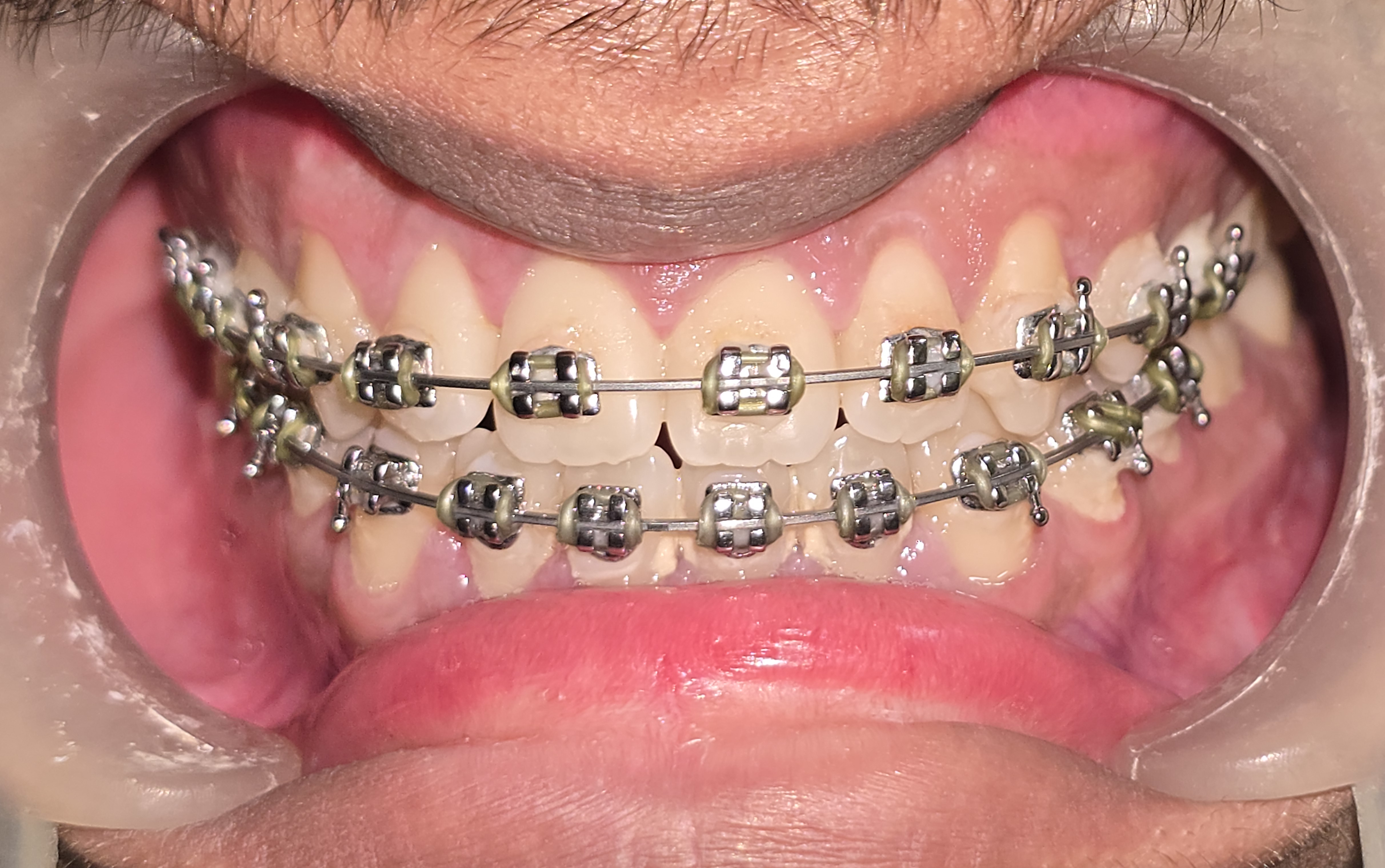
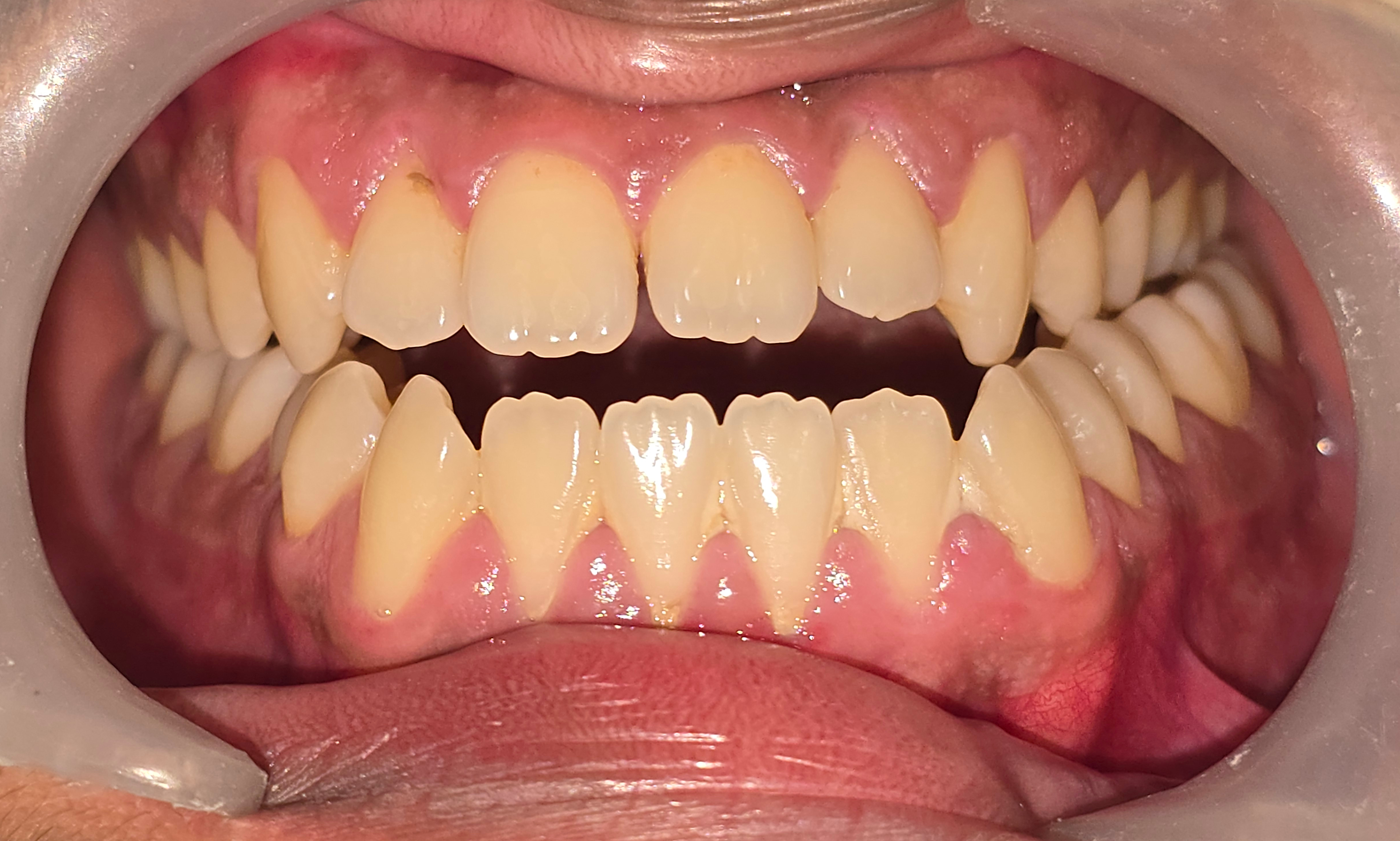
A young professional whose skeletal Class III underbite had affected his confidence for years came to FaceLab looking for a definitive solution. Beyond aesthetics, he experienced difficulty chewing, jaw joint discomfort, and progressive tooth wear from the abnormal bite relationship. Traditional orthodontics alone could not address the underlying skeletal discrepancy. Dr. Manjula Herath proposed a surgery-first approach — performing the skeletal correction before orthodontic refinement, allowing for faster results and immediate aesthetic improvement. Using advanced CBCT imaging and 3D planning software, the entire procedure was designed digitally before a single incision was made. Six months post-operatively, the transformation is remarkable. Beyond the aesthetic improvement, he reports significantly improved chewing function, resolved TMJ discomfort, and a dramatic boost in self-confidence.
The Challenge
Meet our patient — a young professional whose skeletal Class III malocclusion (underbite) had affected his confidence for years. Beyond aesthetics, he experienced difficulty chewing, jaw joint discomfort, and progressive tooth wear from the abnormal bite relationship. Traditional orthodontics alone couldn't address the underlying skeletal discrepancy. Using a surgery-first approach, we performed skeletal correction before orthodontic refinement — allowing for faster results and immediate aesthetic improvement.
Step 1 — Initial Assessment
Clinical examination revealed a significant mandibular prognathism (protruding lower jaw) with maxillary retrognathism (recessed upper jaw) — a classic skeletal Class III pattern requiring surgical correction.
Digital Planning & Simulation
Using advanced CBCT imaging and 3D surgical planning software, we created a precise digital blueprint of the procedure. Virtual surgical planning allowed us to simulate jaw movements, design patient-specific surgical guides, and predict the final aesthetic and functional outcome before making a single incision.
Precision Surgery
The bimaxillary orthognathic surgery was performed under general anaesthesia using patient-specific surgical guides fabricated from the virtual plan. The maxilla was advanced and the mandible was repositioned posteriorly, secured with titanium fixation plates designed specifically for the patient's anatomy.
The Surgery-First Advantage
Unlike traditional orthognathic treatment (which requires 12–18 months of pre-surgical orthodontics), we used a surgery-first protocol that offers significant benefits:
- Immediate Aesthetic Improvement — facial profile and bite corrected on day one, rather than worsening during pre-surgical orthodontics
- Shorter Overall Treatment Time — total treatment reduced by 6–12 months compared to the conventional approach
- Enhanced Motivation — patients see results immediately, maintaining enthusiasm throughout post-surgical orthodontic refinement
- Simplified Orthodontics — post-surgical tooth movement is faster and more predictable when working with corrected skeletal foundations
- Better Soft Tissue Response — immediate skeletal correction allows soft tissues to adapt naturally during the healing process
Life-Changing Results
Six months post-operatively, the transformation is remarkable. Beyond the aesthetic improvement, the patient reports significantly improved chewing function, resolved TMJ discomfort, and a dramatic boost in self-confidence.
Why VSP Makes the Difference
This case exemplifies the power of digital surgical planning in modern maxillofacial surgery:
- Predictable Outcomes — the patient saw his result before surgery, allowing informed decision-making and realistic expectations
- Surgical Precision — patient-specific guides ensured millimetre-accurate execution of the planned movements
- Reduced Operative Time — pre-fabricated guides eliminated intraoperative guesswork, reducing anaesthesia time by 30–40%
- Enhanced Safety — critical structures (inferior alveolar nerve, vessels) were mapped pre-operatively and protected throughout the procedure
- Faster Recovery — precision reduces tissue trauma, leading to less swelling and a quicker return to normal function
The Outcome
Six months post-operatively the transformation is remarkable — significantly improved chewing function, resolved TMJ discomfort, and a dramatic boost in self-confidence. Surgical accuracy was within 1 mm of the digital plan, and 100% of nerve function was preserved.
“I was nervous about the surgery, but the team's confidence and the ability to see my results beforehand made all the difference. Knowing exactly what to expect took away so much anxiety.”
— Patient testimonial
<1 mm
Surgical Accuracy vs Plan
100%
Nerve Function Preserved
6 mo
Complete Healing Achieved
Treating Consultant
Dr. Manjula Herath
Oral & Maxillofacial Surgery
Related Services
Ready to start your journey?
Book a consultation to discuss your treatment options with our specialists.